

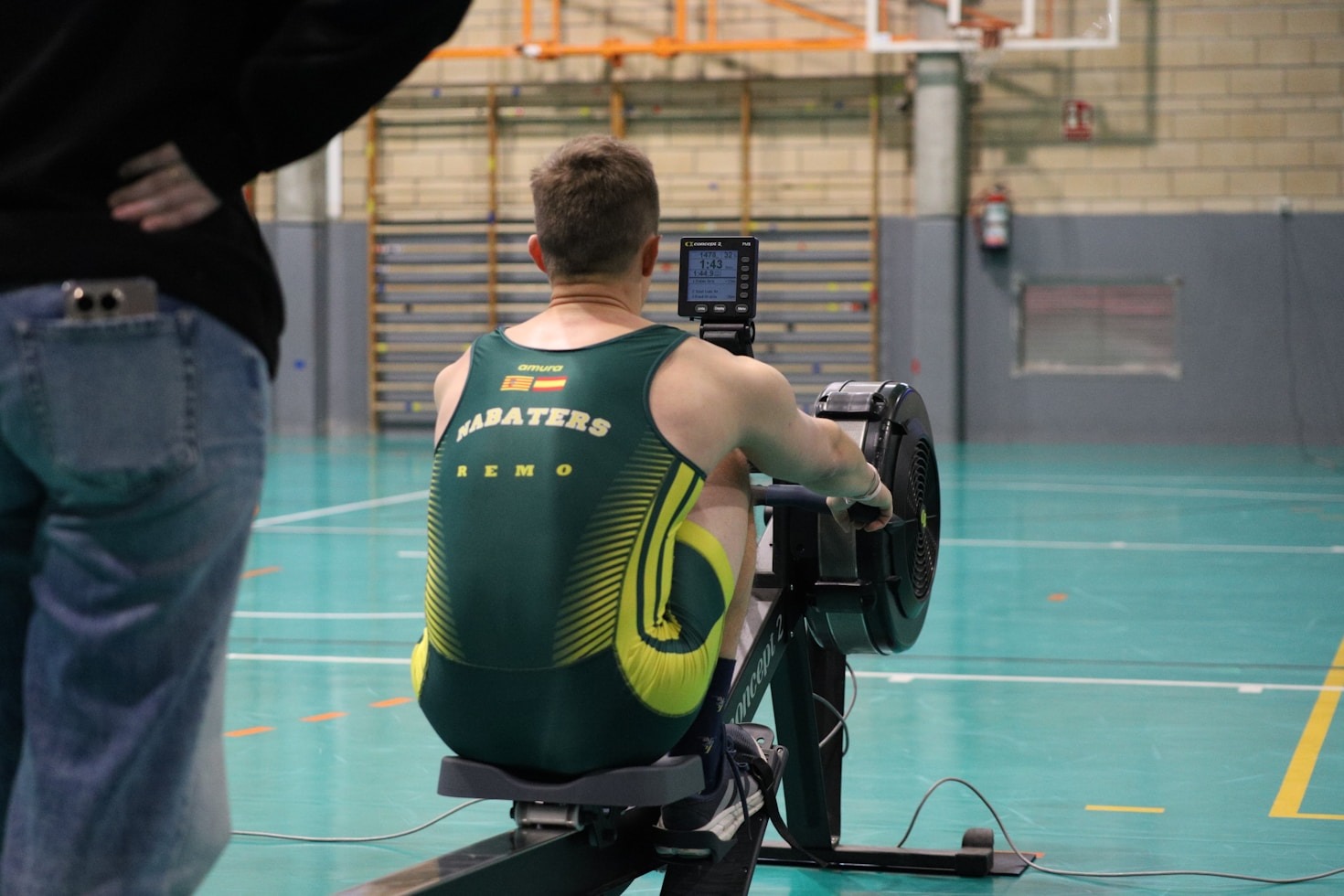
In the world of sports, athletes are often faced with high-pressure situations that test their physical abilities and mental fortitude. Whether it’s a critical game, a championship match, or intense training sessions, the ability to remain resilient is what separates good athletes from great ones. Developing resilience in athletes, especially in high-stress environments, is essential for their long-term success and well-being.
As Michael Jordan once said,
“I’ve missed more than 9,000 shots in my career. I’ve lost almost 300 games. Twenty-six times, I’ve been trusted to take the game-winning shot and missed. I’ve failed over and over and over again in my life. And that is why I succeed.” Inspirational or reflective, perfectly aligned with the theme of your article.
Understanding Resilience in Athletes
Resilience refers to the capacity to recover quickly from difficulties and adapt well in the face of adversity, trauma, or significant stress. For athletes, this means bouncing back from losses, injuries, and mental fatigue while maintaining focus and motivation. Resilient athletes are better equipped to handle setbacks and continue striving toward their goals.
Strategies to Foster Resilience
- Mental Conditioning
Incorporating mental training alongside physical training helps athletes manage stress and anxiety. Techniques such as visualisation, mindfulness, and positive self-talk can build mental toughness and improve concentration during critical moments. - Building a Supportive Environment
Coaches, teammates, and family play a crucial role in creating a nurturing atmosphere that encourages open communication and emotional support. A strong support system helps athletes feel valued and understood, which boosts their confidence and resilience. - Emphasising Goal Setting
Setting realistic, measurable, and achievable goals allows athletes to maintain motivation and track progress. Breaking down larger goals into smaller milestones helps manage pressure and provides a sense of accomplishment. - Teaching Adaptability
Athletes should be encouraged to embrace change and uncertainty as part of their development. Training sessions that simulate unpredictable scenarios can prepare athletes to think critically and adjust strategies during competition. - Promoting Physical Recovery
Adequate rest, nutrition, and injury prevention are vital in maintaining physical resilience. When the body is well cared for, athletes can better withstand the demands of high-stress environments.
The Role of Coaches and Trainers
Coaches and trainers must prioritise developing resilience by incorporating psychological skills training into their programmes. They should recognise signs of burnout and stress and intervene appropriately. Encouraging a growth mindset, where challenges are viewed as opportunities to learn, can significantly enhance an athlete’s resilience.
Conclusion
Resilience is not an innate trait but a skill that can be cultivated through intentional practice and support. Developing resilient athletes in high-stress environments equips them not only to excel in their sport but also to thrive in life beyond the playing field.
Leave a Reply